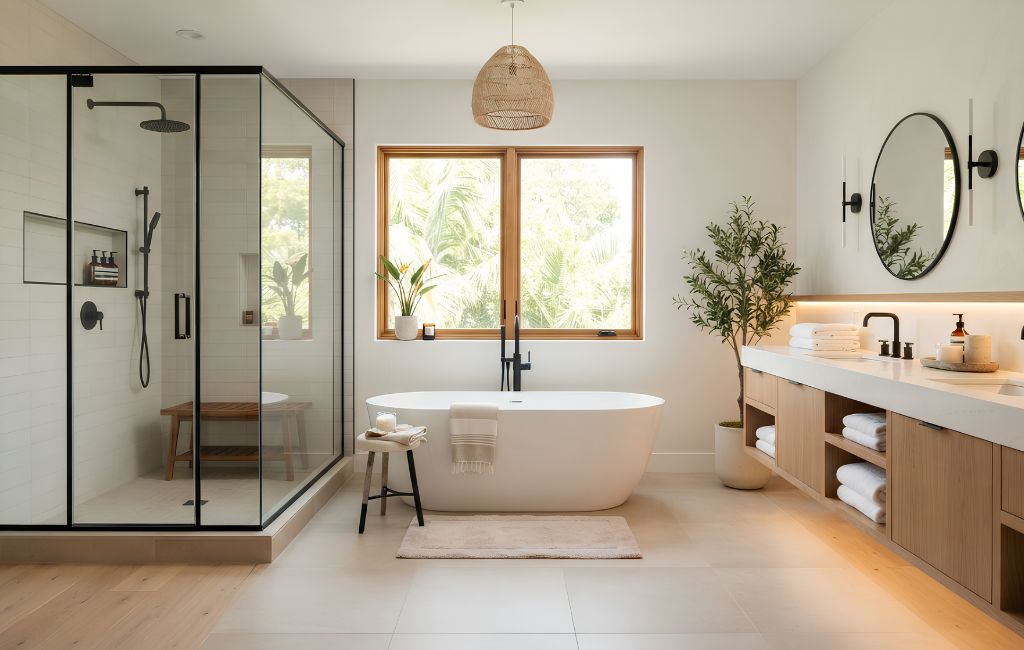
Bathroom remodeling is among the most practical home improvements for properties across Southern California, including Lakewood CA. Much of the city’s housing stock dates to the mid-1900s, when post-war development created neighborhoods of compact single-family homes, townhomes, and later condominium communities. Many of these residences retain original layouts, plumbing, and finishes that no longer align with modern comfort needs, efficiency standards, or accessibility expectations. Lakewood sits near major routes including Interstate 405, Interstate 605, and State Route 91, placing it within an active regional housing market where thoughtful updates can support both daily livability and long-term property standing. Local climate brings warm, dry summers and occasional coastal humidity, which shapes material performance, ventilation needs, and moisture management for indoor spaces.
Homeowners pursue these projects for many reasons. Some focus on resolving functional issues like persistent leaks, poor drainage, or insufficient lighting. Others aim to expand usable space, add storage, or adjust the layout to suit changing household sizes or mobility requirements. Efficiency upgrades also remain common, driven by California’s focus on water and energy conservation and the potential to lower ongoing utility costs. Understanding what is involved, what to expect in terms of scope and expense, and how local rules apply helps keep projects manageable and outcomes consistent with goals.
Project Scope and Common Work Types
Remodeling work generally falls into three overlapping categories, with many projects combining elements from more than one. Cosmetic refreshes update visible surfaces and fixtures without altering plumbing, electrical runs, or wall positions. Examples include repainting, replacing floor or wall tile, swapping out faucets and showerheads, or installing new light fixtures. These projects tend to be faster and less disruptive but do not address underlying system conditions or layout limitations.
System-focused remodels target hidden infrastructure while keeping the basic room arrangement unchanged. This may involve replacing old galvanized or polybutylene pipes, upgrading electrical circuits, installing moisture-resistant backing, or adding properly sized exhaust fans. These projects often require permits and can uncover previously hidden issues such as deteriorated subfloors or non-compliant framing that add work and expense.
Full layout remodels reconfigure how the space is used. This might mean moving the toilet or sink, expanding into an adjacent closet or hallway, or removing a dividing wall to create a more open arrangement. These projects demand careful planning, multiple permits, and longer timelines, but they offer the greatest flexibility to match the room to current needs.
Frequent tasks across all categories include:
- Replacing aging pipes with corrosion-resistant options
- Upgrading to fixtures that meet California water efficiency standards
- Installing GFCI outlets and dedicated circuits where needed
- Adding or improving ventilation to reduce mold and mildew risk
- Reinforcing wall areas to support future grab bars or heavy fixtures
- Updating insulation to reduce heat loss and condensation
Many Lakewood homes have smaller bathrooms than newer construction. Instead of expanding the physical footprint, homeowners often rely on design choices to improve perceived space and function. Light-colored surfaces, frameless glass, and wall-mounted fixtures can make the same area feel larger and easier to use.
Cost Context and Budget Planning
Costs vary based on project size, material selection, labor rates, and local regulatory requirements. Investopedia notes that bathrooms typically carry higher costs per square foot than most other rooms due to specialized plumbing, electrical, and waterproofing demands. In California, labor and material prices often exceed national averages, reflecting regional demand, environmental regulations, and supply chain logistics.
General, non-binding cost ranges for projects in the Los Angeles County area include:
- Cosmetic refreshes: $3,000 to $8,800
- System and partial remodels: $11,500 to $28,000
- Full layout and custom remodels: $29,000 to $72,000 or more
These figures reflect broad market conditions and are not guarantees for any specific property. Actual pricing depends on site conditions, product availability, and final design decisions. Hidden issues such as undetected water damage, outdated pipe sizing, or non-compliant framing can increase costs after work begins. Setting aside 10 to 15 percent of the total budget for unforeseen expenses is standard practice.
Capital improvements that add to a home’s value may adjust its cost basis for tax purposes when the property is sold. General information on these rules is available through Internal Revenue Service publications and summarized on Wikipedia, though individual circumstances vary. Property owners should consult a qualified tax professional for guidance related to their own situation.
Design Choices and Material Performance
Design decisions in Lakewood often balance durability, climate suitability, and personal preference. Many homeowners select materials that resist humidity and temperature fluctuations common in the region. Porcelain tile, quartz, and luxury vinyl plank appear frequently because they hold up well over time and require relatively simple upkeep. Neutral color palettes remain popular, as they adapt easily to changing tastes and suit both mid-century and newer home styles.
Sustainable and efficient features continue to grow in use. Water-efficient fixtures align with state conservation rules and may qualify for local utility rebates. LED lighting and high-performance exhaust fans reduce long-term energy use. Some larger projects include graywater diversion systems, though these require additional permits and design review.
Comparing Countertop and Shower Wall Materials
Each material has distinct advantages and limitations. The table below summarizes widely accepted characteristics:
| Material | Stain Resistance | Moisture Tolerance | Typical Maintenance |
|---|---|---|---|
| Quartz | Excellent | Excellent | Wipe clean as needed |
| Porcelain | Excellent | Excellent | Regular cleaning |
| Natural Stone | Good with sealing | Good with sealing | Reseal every 1–3 years |
| Solid Surface | Very Good | Excellent | Avoid harsh abrasives |
| Glass Tile | Excellent | Excellent | Watch for grout buildup |
Natural stone is porous and can absorb spills if not properly maintained. Quartz does not require sealing but can be damaged by strong chemicals or extreme heat. Glass tile resists stains well but may show smudges more visibly than other options.
Universal design elements are increasingly common. Curbless showers, lever-style handles, and adjustable-height fixtures integrate naturally into modern layouts. These features support long-term usability and meet accessibility guidelines without looking out of place in a standard home.
Permits, Codes, and Local Requirements
Most work that affects plumbing, electrical systems, or structural elements requires permits from the City of Lakewood or Los Angeles County. Even changes that seem minor, such as moving a drain line or adding a new outlet, may need formal approval. Work completed without proper permits can create complications during future home sales, insurance claims, or official inspections.
Projects must follow standards set by the California Building Standards Commission. These cover minimum clearances, ventilation rates, moisture protection, and electrical safety. Local amendments may add rules for energy efficiency and stormwater management. Exhaust fans must meet minimum airflow requirements, and all outlets near water must be GFCI protected.
Many neighborhoods in Lakewood are governed by homeowners associations that set additional guidelines. These may address exterior changes, material colors, construction hours, or noise limits. Checking these rules early helps avoid conflicts or delays. General explanations of building code concepts are available on Wikipedia, but specific requirements should always be confirmed with local building officials.
Contractors working in California must hold valid state licenses for their trade. Licensed professionals carry required insurance and are subject to state oversight. Hiring unlicensed workers increases liability and may violate local or state regulations.
Frequently Asked Questions
Q: How long does a bathroom remodel usually take in Lakewood CA?
A: Cosmetic work typically takes one to two weeks. System and partial remodels run four to seven weeks on average. Full layout remodels often take eight to twelve weeks, depending on permit processing and material delivery.
Q: Does remodeling improve home value?
A: Updated bathrooms generally enhance market appeal, but returns vary by neighborhood, project quality, and overall property condition. Real estate market analysis notes that bathroom updates are among the more cost-effective improvements, though results are not guaranteed.
Q: Can I stay in the home while work proceeds?
A: Most projects allow residents to remain, but the bathroom itself will be unusable during key stages. Planning for alternate arrangements is recommended.
Q: What causes most budget overruns?
A: Uncovering hidden site conditions, changing design plans mid-project, and unexpected material price shifts are the most common reasons costs rise.
Final Thoughts
Bathroom remodeling in Lakewood CA balances everyday comfort with attention to local codes, climate, and long-term property considerations.
Clear planning, realistic budgeting, and adherence to official standards help create spaces that serve well for years.